
Start with the work that is still open
A brand may own its formula brief and still need a partner to match it to an outline, carrier and pouch. List which inputs are approved, which are preferences and which the partner can propose. This makes the difference between a design-development quotation and a repeat manufacturing quotation visible.
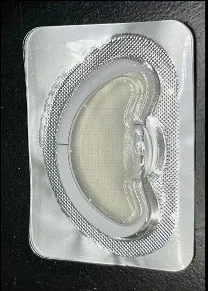
Image credits
Mengzhen Xing, Han Liu, Fanda Meng, Yuning Ma, Suohui Zhang, Yunhua Gao, Lianhua Fu, Junfeng Li, Muhammad Rizwan Younis, Changzhou Chen and Xiaohong Chen · Image source · CC BY 4.0 · Cropped to the original packaging photograph in panel A and converted to WebP.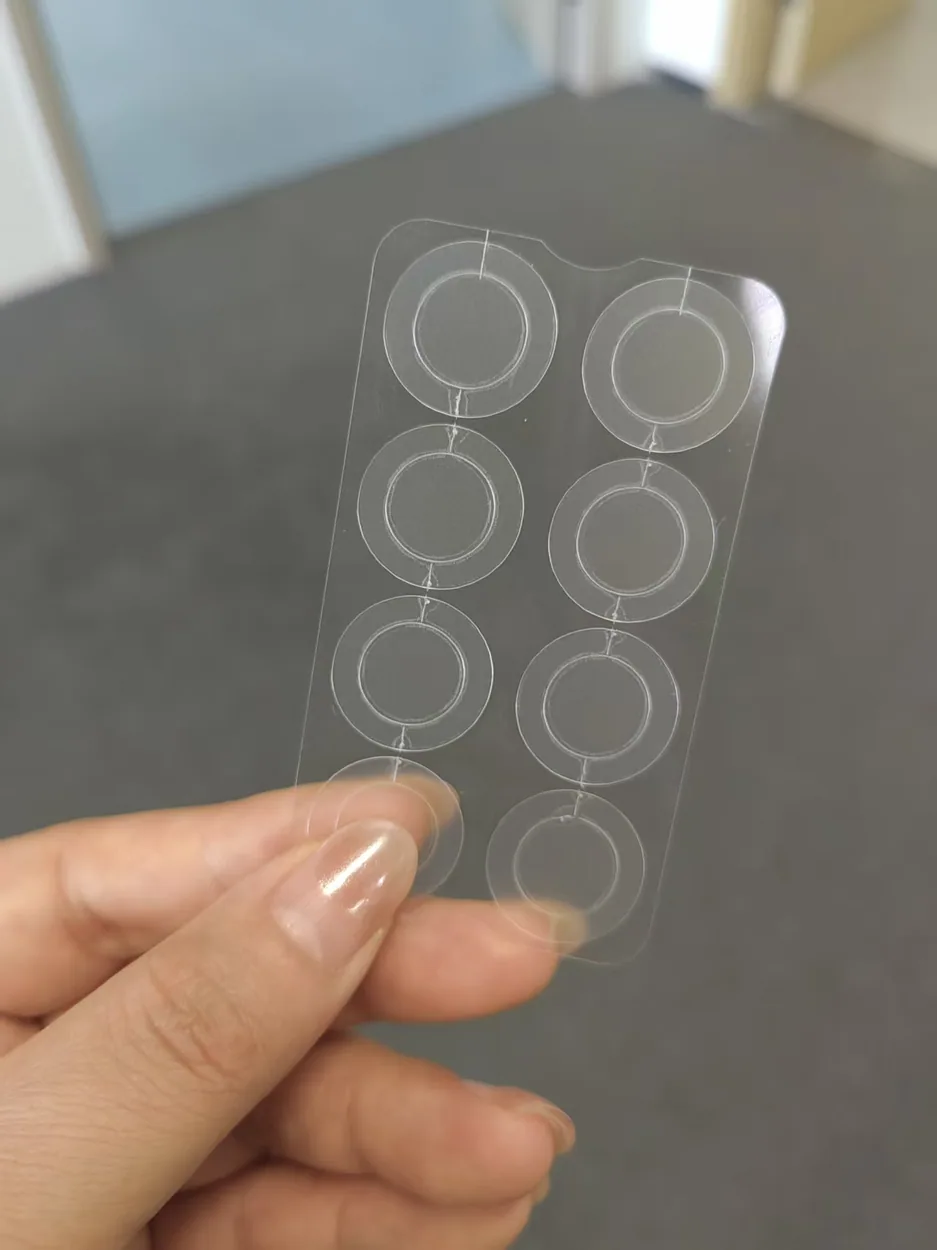
Image credits
Supplied photographAgree what comes back after development
Specify the deliverables your next supplier or internal team will need. A sample alone carries little information if its drawing revision, packing layout and approved design decisions stay in separate inboxes. Ask about access rights and the format of each deliverable before the project starts.
Give each sign-off an owner
Give purchasing, packaging and quality representatives separate decisions where appropriate. If the brand controls artwork and the partner controls the tray, both need to review a carton layout change that shifts the position of the tray. Record who can approve that change.
Who owns the evidence when development changes hands?
A brand commissioning development might own the artwork while the original laboratory holds the inspection method and the packaging partner keeps the tray drawing. Ask each party which revision it will release, whether the receiving factory can use it, and who will answer questions after handover. Identify missing permissions before authorising transfer. ISO 22716 describes quality activities for cosmetic production and shipment and excludes research and development from its scope. Spell out development deliverables separately in the agreement.
ISO (2007) · Cosmetics good manufacturing practices / ISO 22716
Prepare your inquiry
Select partners by their agreed deliverables and decision rights.