
Build a pilot-to-order comparison
List the differences between the approved trial and the proposed commercial order. A new tray supplier, another pouching line and a larger campaign are separate changes. Keep the pilot reference alongside each difference and name the evidence expected before authorization to proceed.
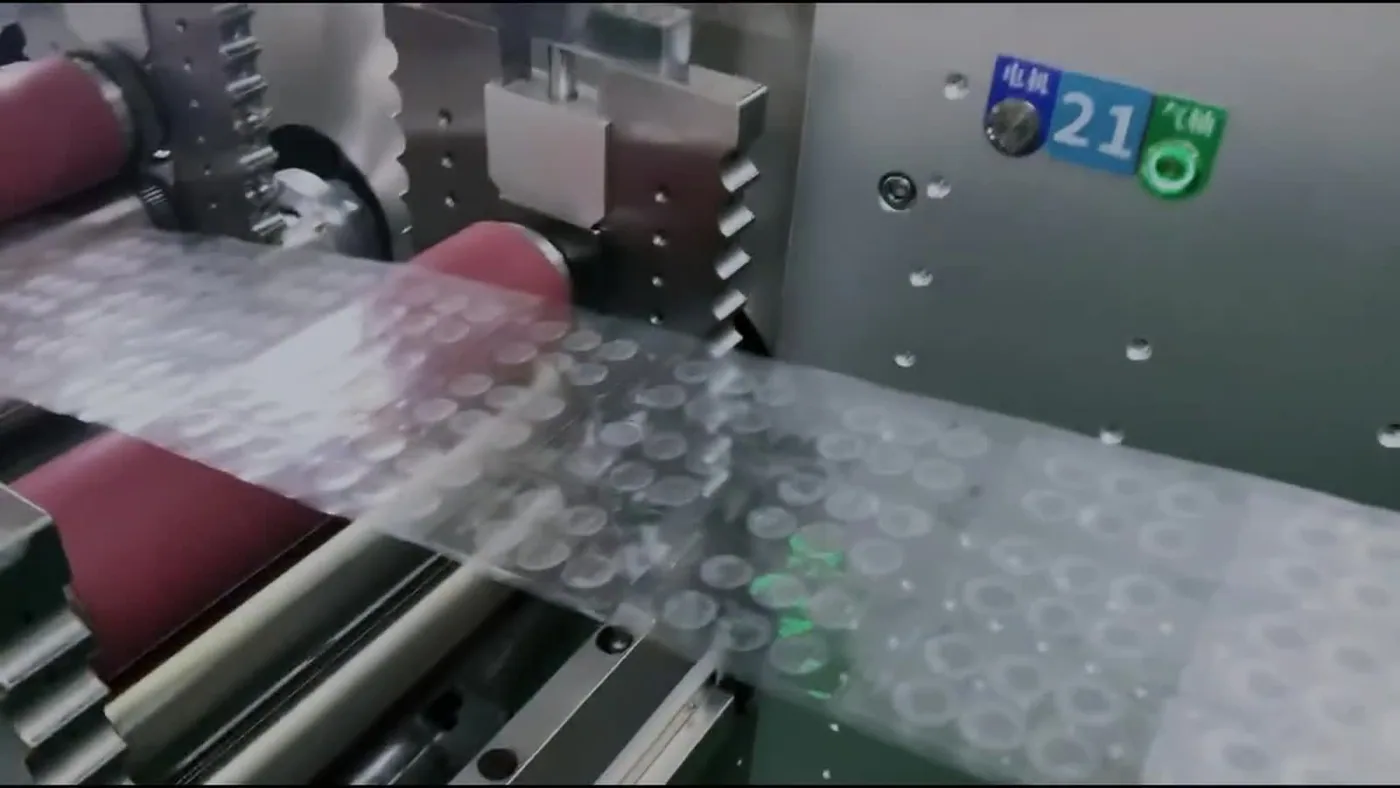
Image credits
Company footage
Image credits
Supplied photographCheck the physical handling route
Ask how samples move between patch inspection, tray loading, pouching and finished-carton storage in the proposed run. A tray that supported a few manually packed samples may sit differently in a larger stack. A short trial with the intended packing arrangement can answer that particular question.
Agree a first-order decision point
Specify who may hold the lot if a new defect appears, what samples the brand will receive and which records accompany them. Plan that review in the purchase order so it happens before the individual shipments leave for different markets.
Does the comparison cover more than the showcase unit?
An enlarged order can introduce another tool position, tray source or packing shift. Identify which of these actually changed, then compare separately labelled units from relevant points in the run. A single photograph cannot tell a buyer whether an observation repeats across positions. Evens and colleagues studied replication fidelity in solid moulded arrays. For a different cosmetic format, the practical question is whether the supplier can trace each inspected example to its production context and show the remaining uncertainty.
Evens et al. (2022) · Replication fidelity of solid microneedles / Micromachines
Prepare your inquiry
Use the change from pilot conditions to define what the first commercial order must demonstrate.