
Create a transfer index
Provide the approved patch drawing, packing layout, reference unit and revision list. Identify which files can be shared and which specifications belong to the original tooling supplier. If a file is unavailable, describe the decision it supported and agree how the receiving team can resolve it.

Image credits
Company footage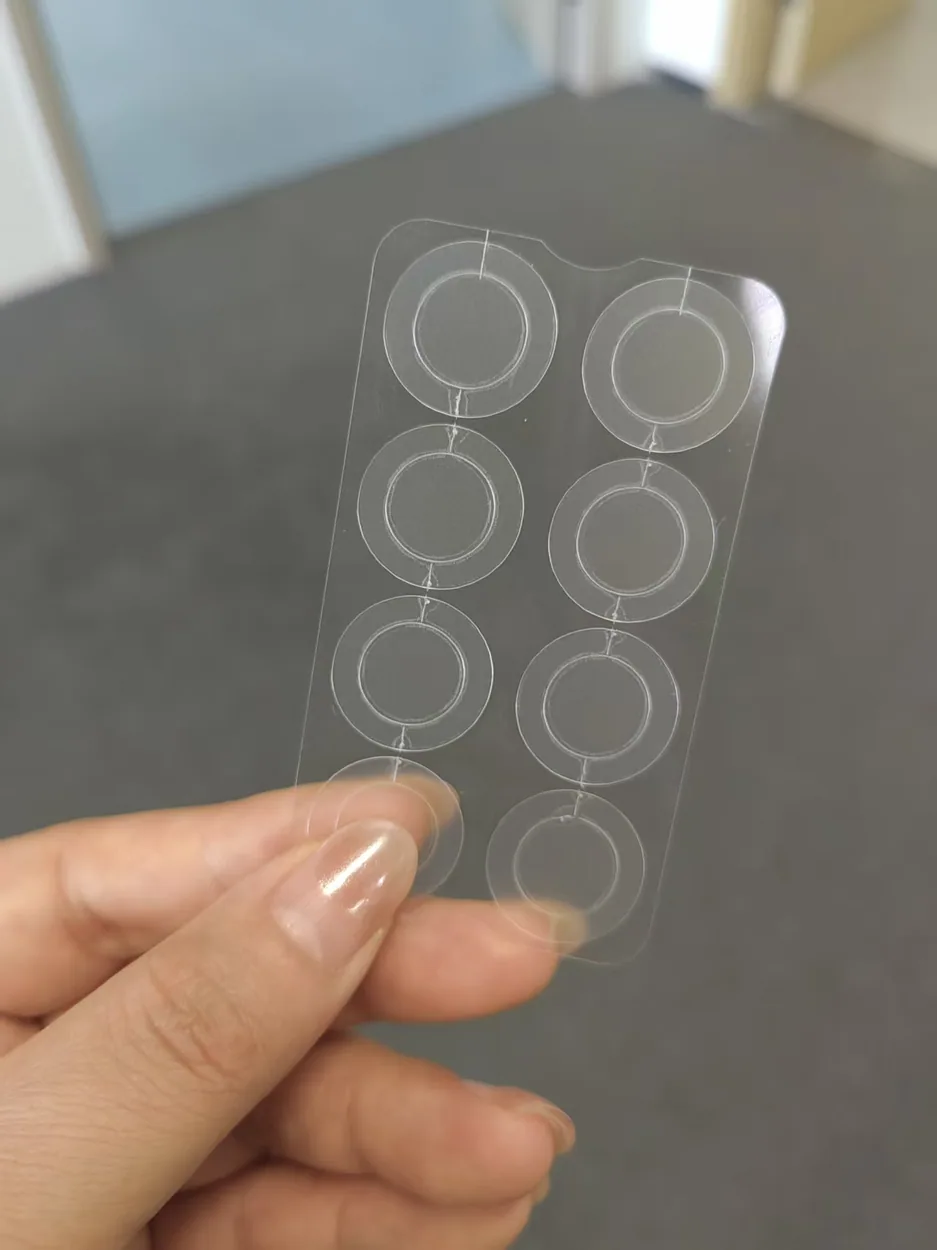
Image credits
Supplied photographChoose a comparison that reveals differences
Send the reference and receiving-site samples to the same reviewers where possible. Compare the features that matter to the brand, such as patch orientation, peel-tab access and the fit of the sealed pack in its carton. Where a material differs, record it explicitly even when the surface appearance is similar.
Assign the right to release transferred work
A successful sample comparison is one decision. Authorizing a new supplier to fill a commercial order is another. List open tasks such as final artwork approval, agreement on inspection records and dispatch documentation, then identify the person who can close each item.
Let the receiving team interpret a sample independently
Give the receiving team a coded reference sample and the approved reporting template. Ask it to explain which feature it would record, what constitutes a unit and where the method version appears. Compare its reading with the originating team's report before approving a new production source. A difference in terminology can look like a physical change. In Ando and colleagues’ mechanical study, the setup affected the measured value, making method identity especially important for a transfer comparison.
Ando et al. (2024) · Factors affecting measured needle strength / Pharmaceutics
Prepare your inquiry
A transfer plan should show what the receiving supplier can reproduce and what remains to be approved.