
Follow one finished unit backwards
Choose an unopened sample and use the code visible on the pack to find the finished-lot record. From there, ask which patch, liner, tray and pouch references were assigned. A tray part number identifies a design; an individual component lot identifies a particular supply event.

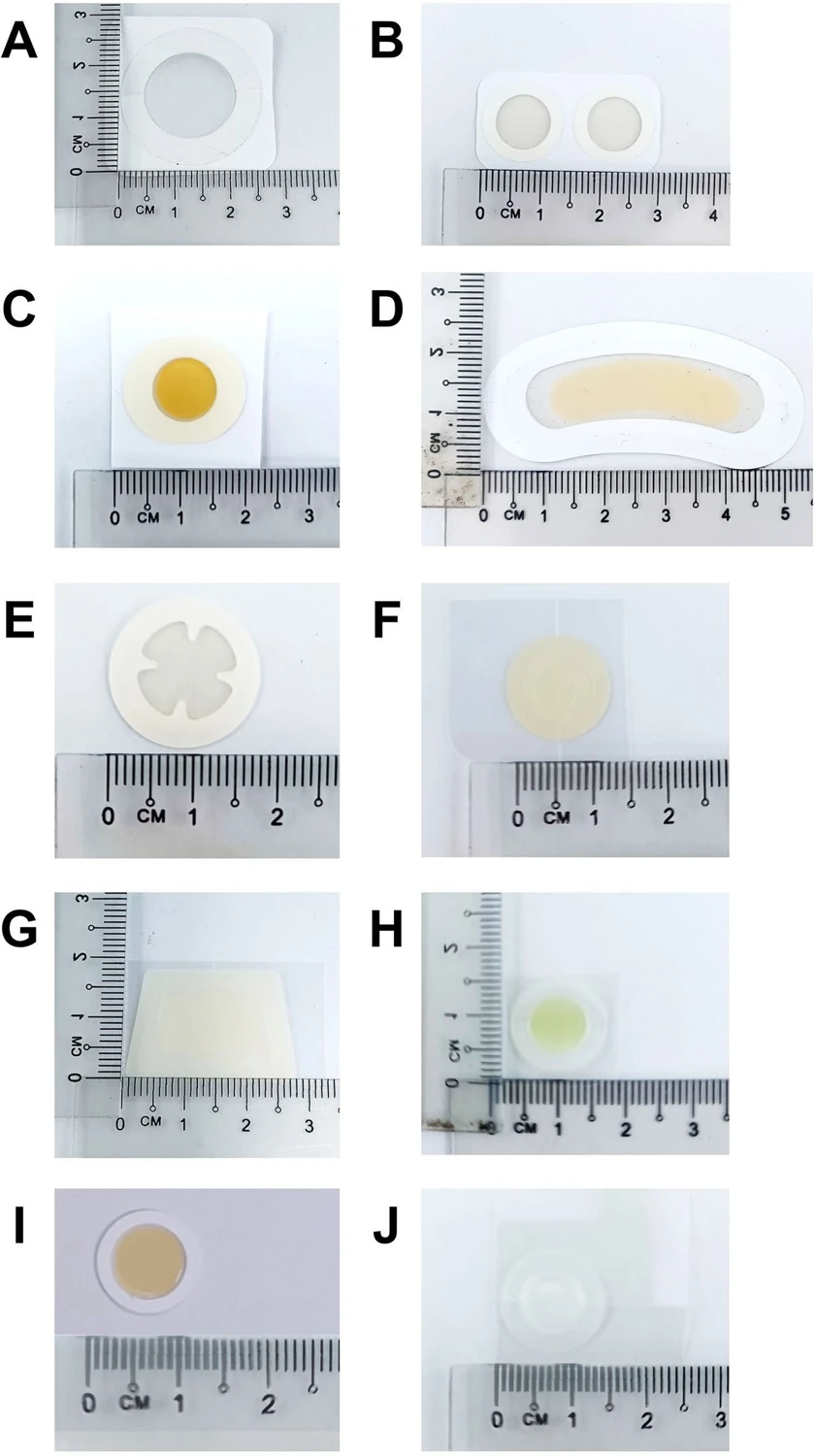
Image credits
Jing Yi Lee, Shi Hui Dong, Keng Wooi Ng and Choon Fu Goh · Image source · CC BY 4.0 · Original figure proportions and markings retained; converted to WebP.Follow one component forwards
If a liner lot changes halfway through a pilot, ask how units made with each lot will be identified. A buyer may need to know which cartons went to which market when a question arrives later. Record what the proposed coding system can distinguish and where it relies on production records.
Keep a usable reference
Agree who retains representative packed units, how long they are kept under the project agreement and how a buyer can request review. Pair each retained unit with its packing configuration and lot code; an unlabeled patch in a sample drawer is difficult to compare with a customer return.
Trace one reported unit against a known pack change
A customer photographs the front of a pouch after finding that an eye-patch pair has shifted. Check whether its visible code identifies the finished lot, the artwork version or only the retail SKU. Request the additional identifier that lets the supplier locate the relevant assembly record. If two liner revisions fall within that finished lot, list both until evidence narrows the match. Agree which pack markings customer service should request before the first retail shipment.
ISO (2007) · Cosmetics good manufacturing practices / ISO 22716
Prepare your inquiry
Test the records with one real pack code before relying on them for a reorder.