
Give quantities at each stage
Separate the units needed for internal assessment, retailer presentation and laboratory review from the forecast commercial order. Specify patches per pouch and pouches per carton. Two brands requesting the same number of cartons may require very different numbers of patches and trays.
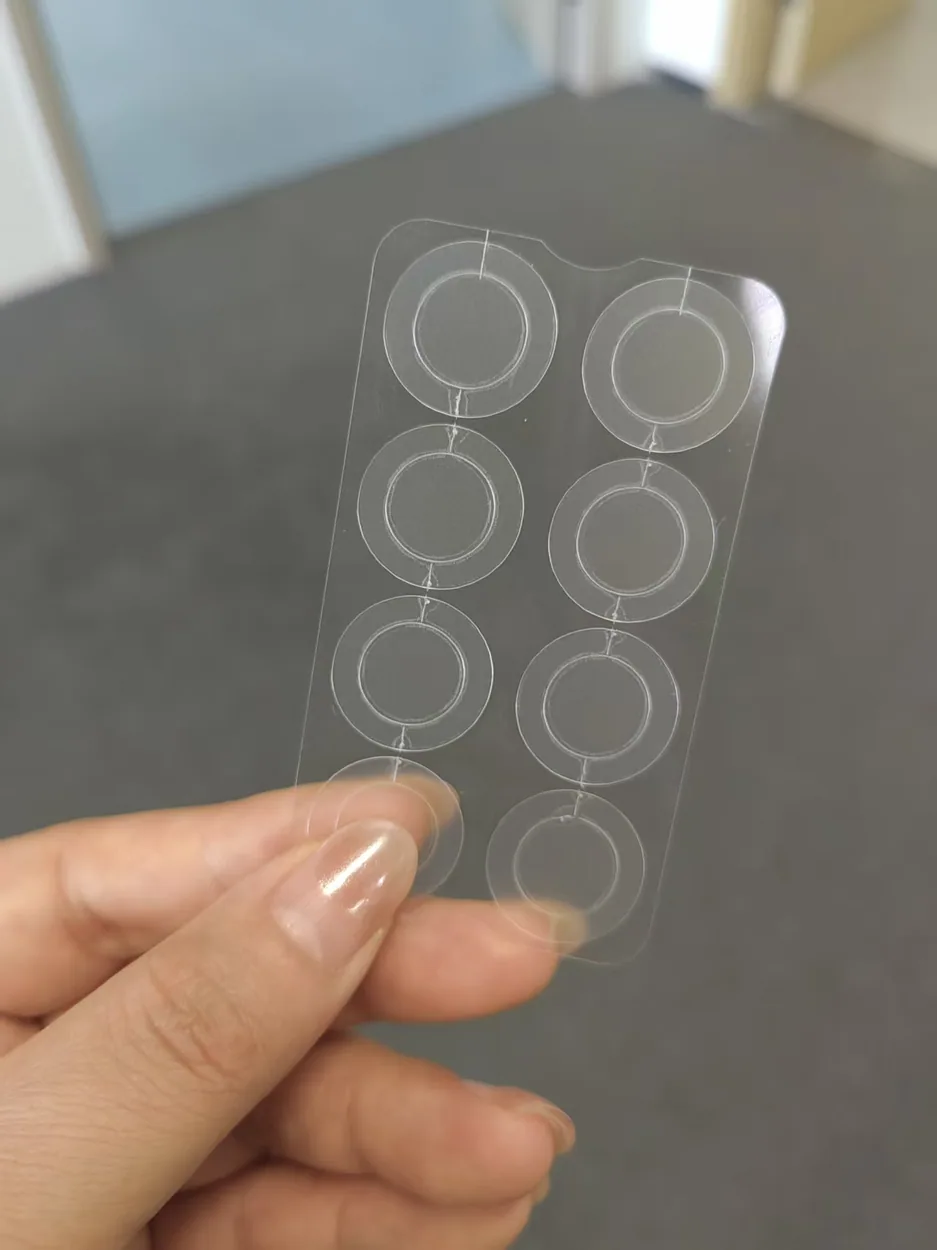
Image credits
Supplied photograph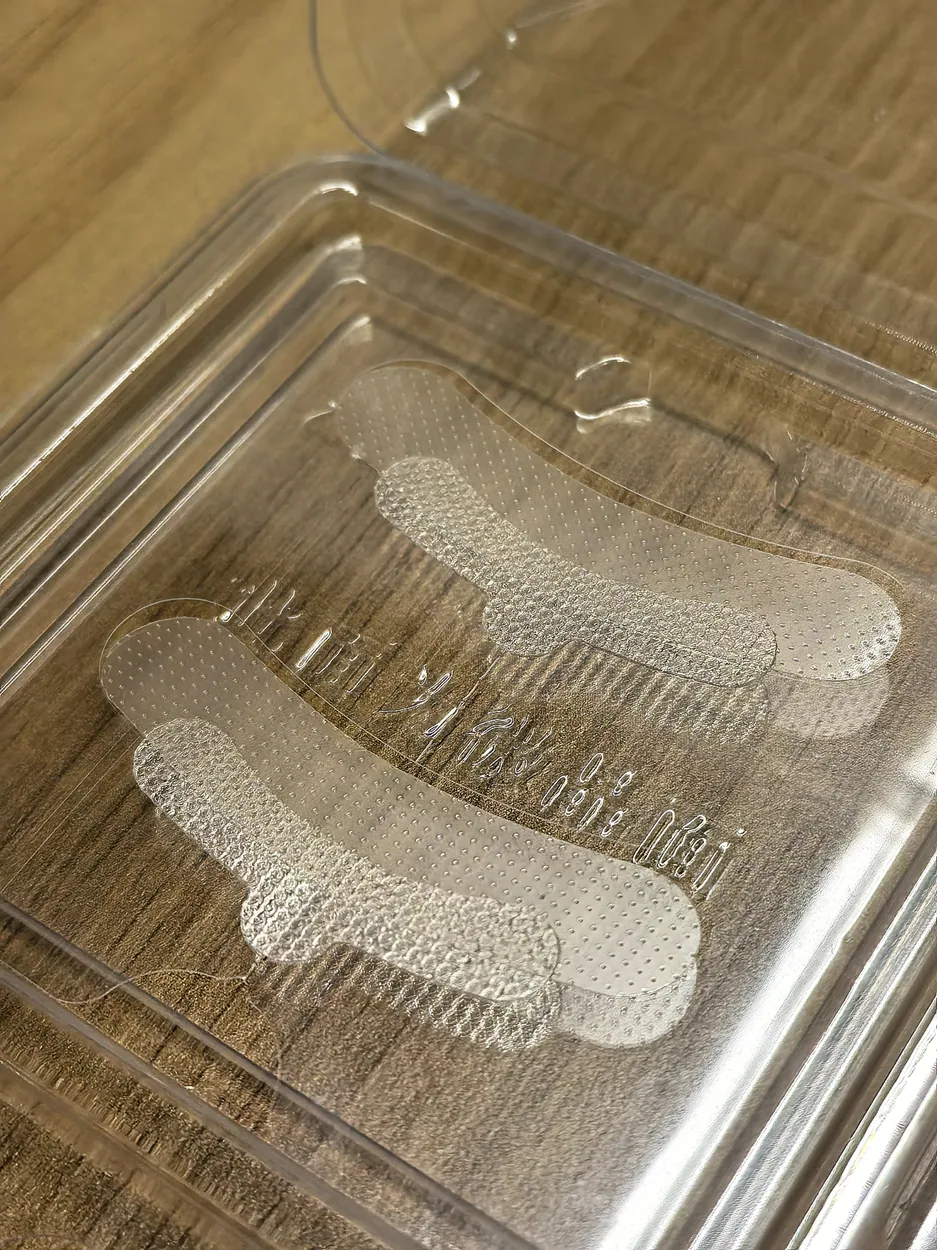
Image credits
Supplied photographAsk what starts the clock
A quote might count lead time from artwork release, deposit, delivery of a special tray or formal sample approval. Ask for the start event and stages that need a buyer response. A design still awaiting sign-off can have more influence on the schedule than the requested pilot quantity.
Identify costs that change between orders
Ask the supplier to distinguish shared setup, custom tooling, artwork proofs, pilot production, inspection and shipping. Confirm whether a quoted MOQ applies to the patches, printed pouches or cartons. A different print supplier may have its own minimum even when the patch specification stays the same.
Count sellable packs and review units separately
For a two-patch eye product, write the requested quantity in pairs per pouch and pouches per carton. Then allocate additional units for artwork review, packaging evaluation, stability work and retained references. Ask which units will be opened or unavailable for shipment. Price and schedule comparisons become easier when both bidders quote the same deliverable. ISO’s cosmetic stability guidance calls for a justified product-specific study, so the number reserved for that work should follow the agreed study scope.
ISO (2018) · Cosmetic stability testing guidance / ISO/TR 18811
Prepare your inquiry
Request a stage-by-stage quotation with units, dependencies and deliverables alongside each figure.