Choosing a cosmetic microneedle patch OEM manufacturer
Compare the scope of a factory quotation for eye and spot patches, from supplied parts to sample review and packed goods.

Move a cosmetic patch from a reviewed prototype to a pilot lot. Agree on the sample, packaging and batch records before discussing a production order.
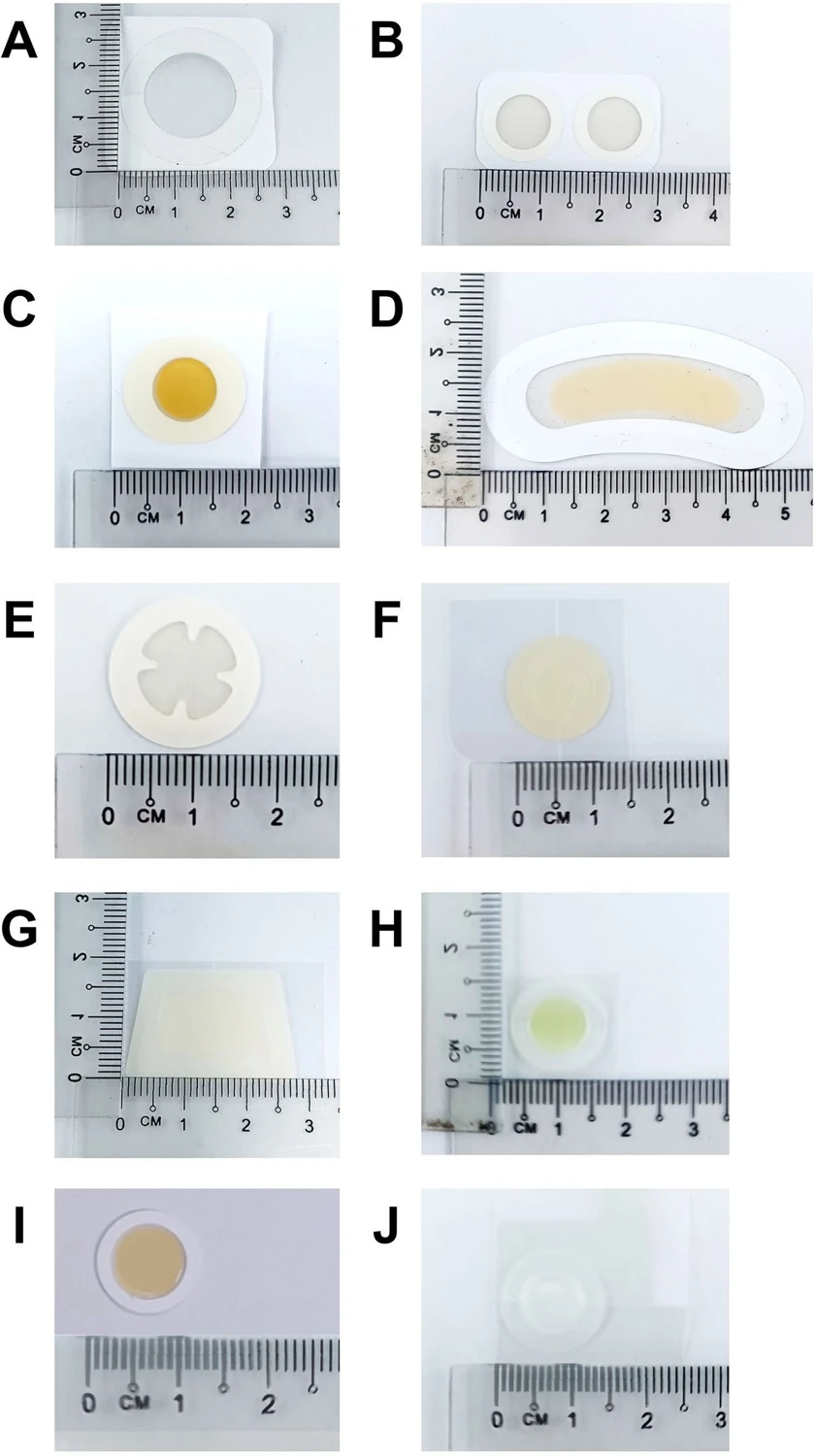
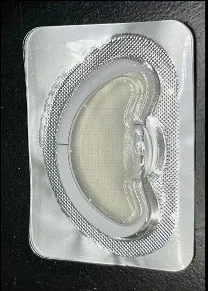
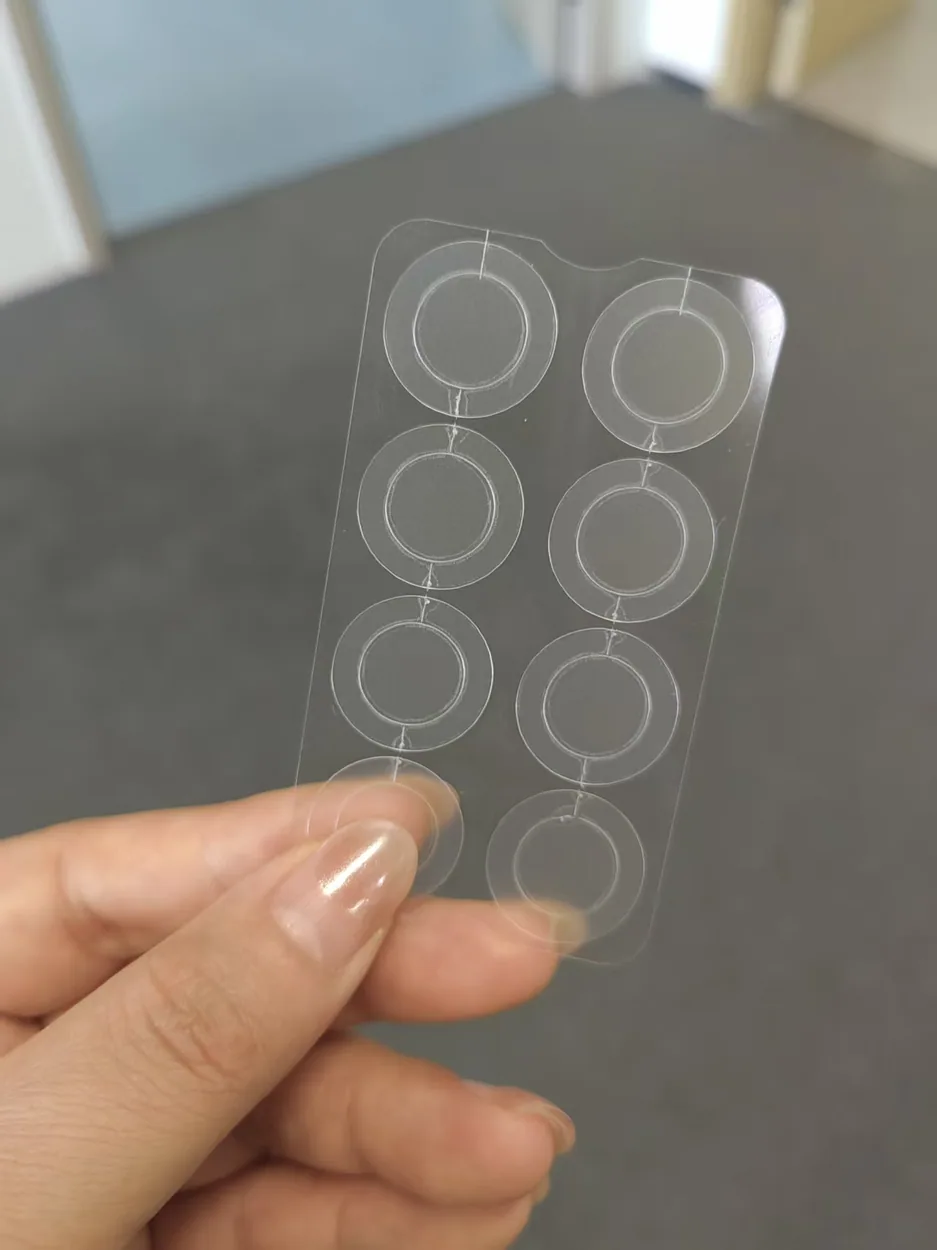
Compare the scope of a factory quotation for eye and spot patches, from supplied parts to sample review and packed goods.
Decide whether you need development alongside manufacture and assign responsibilities for drawings, sample approval and technical records.
Choose the sample stage that can answer your question about shape, packaging or production readiness.
Turn an existing patch or sketch into a sample brief with a reference, a proposed change and a clear review question.
Agree what to inspect, how to classify an exception and who can release a pilot before ordering more.
Identify what changes between a pilot and a larger order, and ask for evidence where equipment, packaging or inspection differs.
Prepare a matched packaging file set for the next production run and keep the released artwork linked to the patch it contains.
Identify the records that connect an approved microneedle patch brief to the samples received and the decision made.
Build a traceability request that still identifies a cosmetic patch when the carton and inner pouch are separated.
Specify which patch, pouch and storage statement a stability report covers before using it for a pilot handover.
Organize the drawings, reference units and approvals needed to compare a receiving supplier’s sample against the existing patch.
Compare pilot lot sizes, minimum order quantities and lead-time assumptions using one clearly defined finished pack.
Review spot-patch sheet layout, peel access and pack counts before commissioning a larger run.
Check how left and right eye patches, liner tabs and protective trays fit together in the final sample pair.
Record the pilot baseline, resolve exceptions and identify changes before a repeat purchase order is accepted.
How to brief evidence for unopened shelf life and the handling of patches left in a shared pouch.
Review a damaged pilot shipment using dispatch images, packaging identity, receiving observations and retained units.
Reconcile differences in test names, units, sample identity and reporting scope before accepting a pilot batch.
Compare opening cues, liner removal and pair retrieval using a simple off-skin review of the actual pack.
Plan where inspected pilot samples came from and what must remain available after a buyer review.
No matching guides. Try a different word.